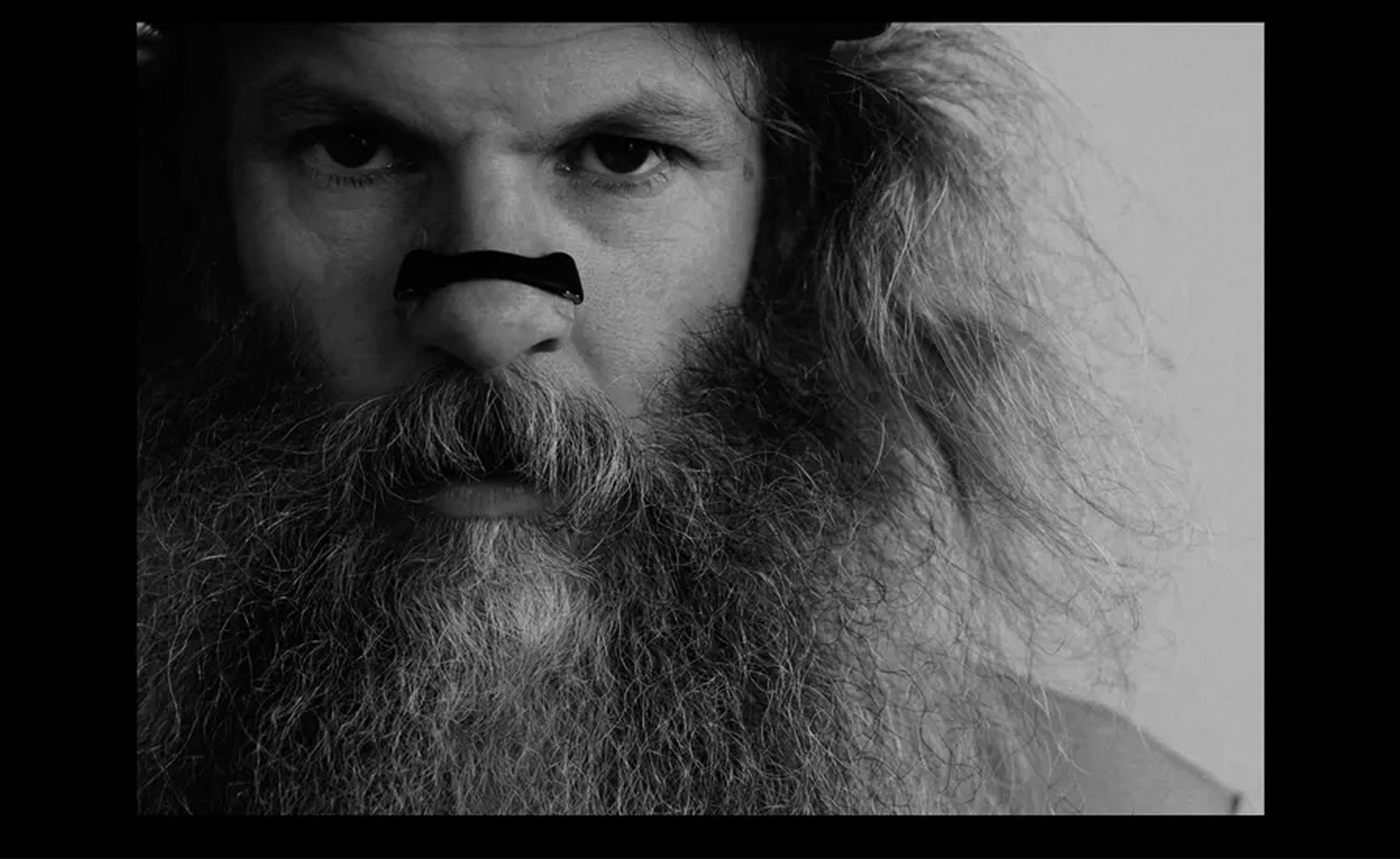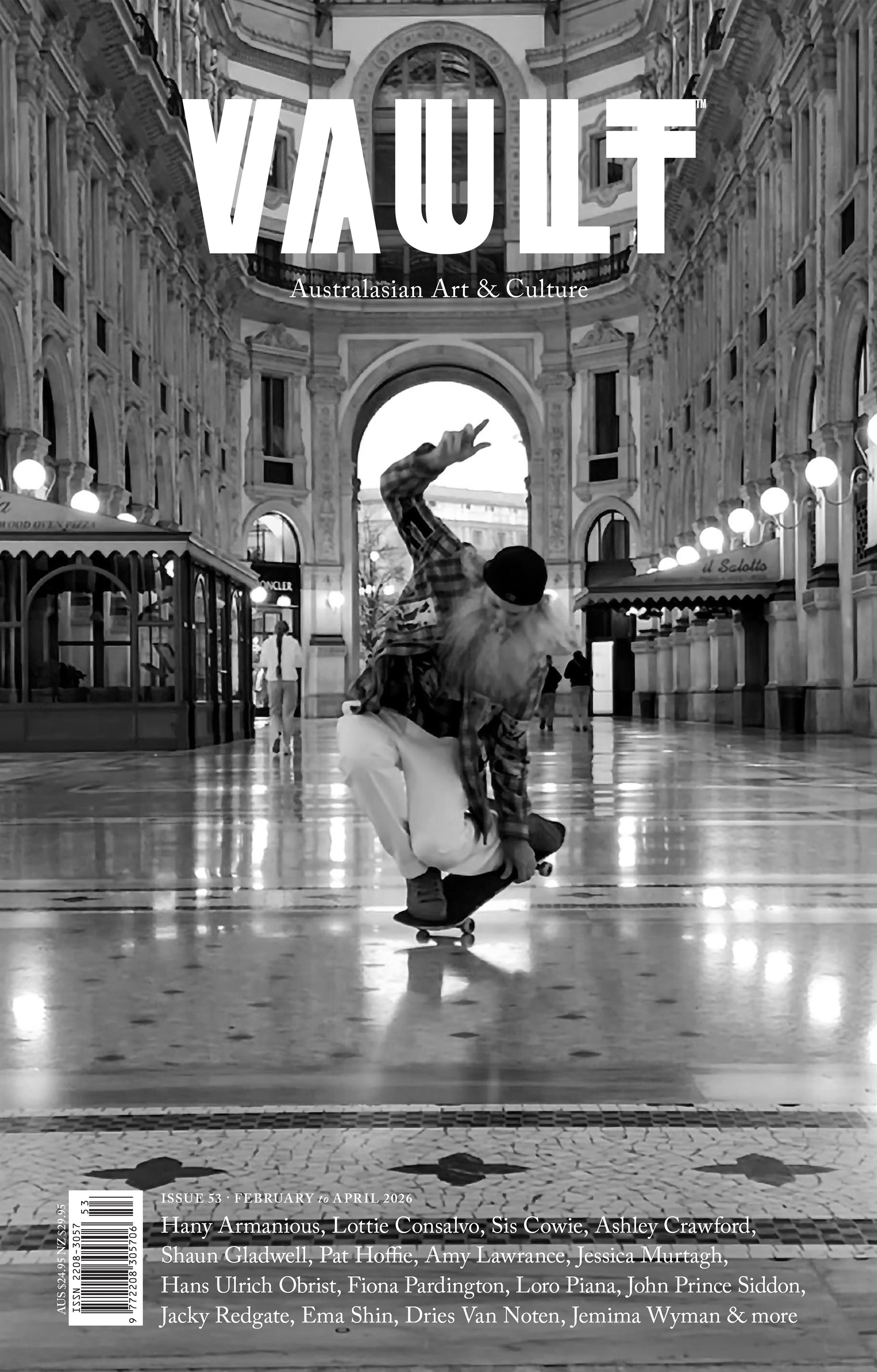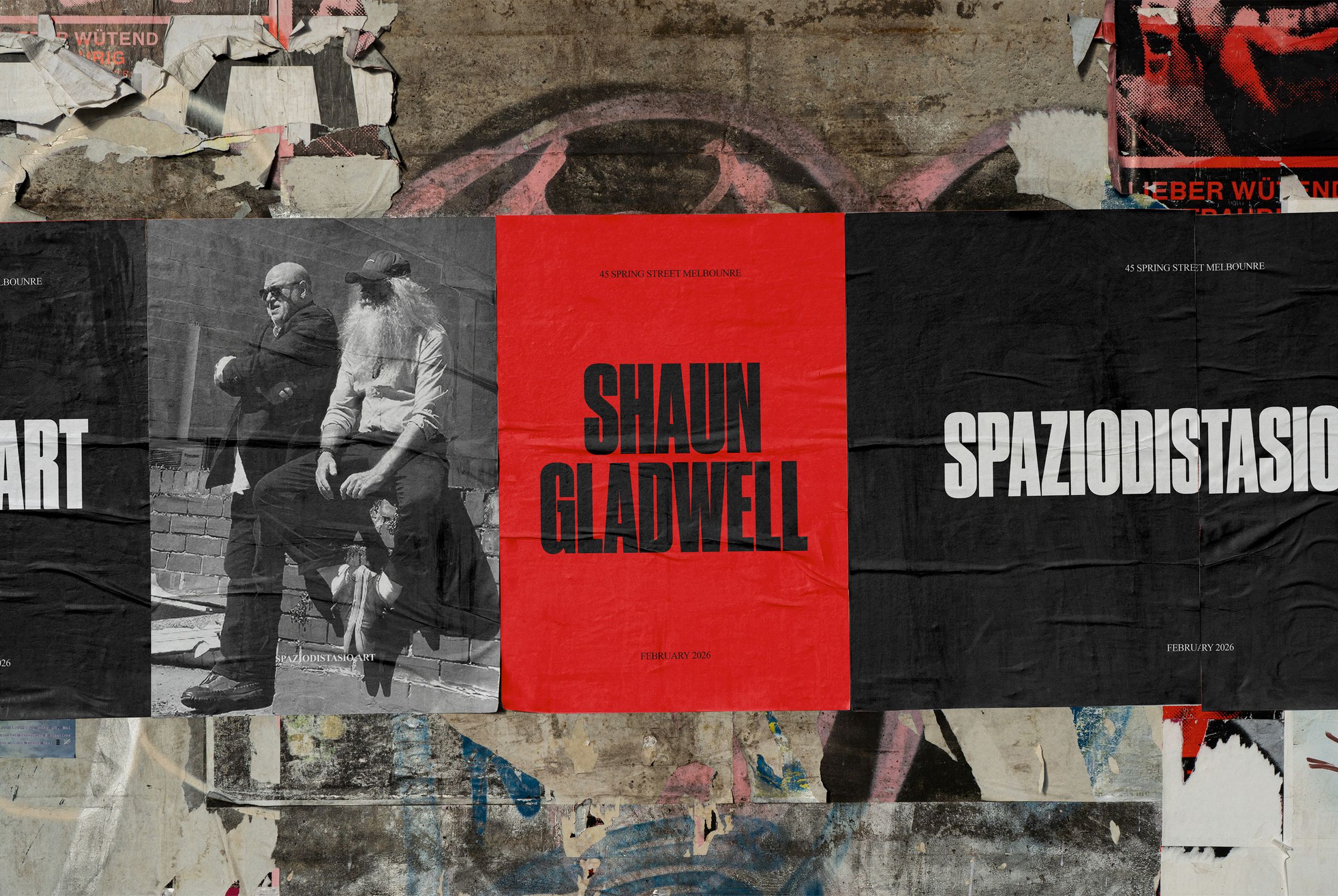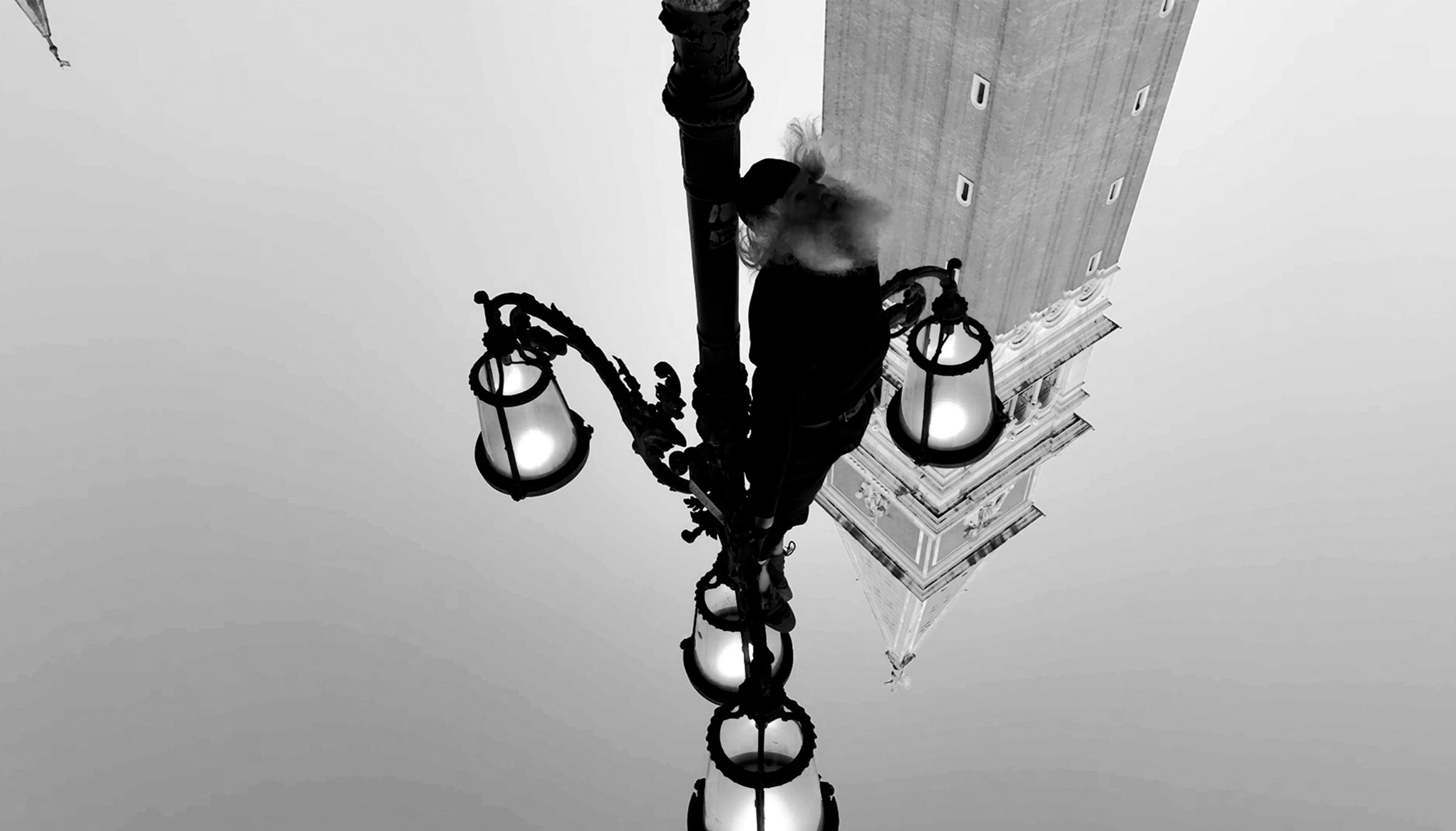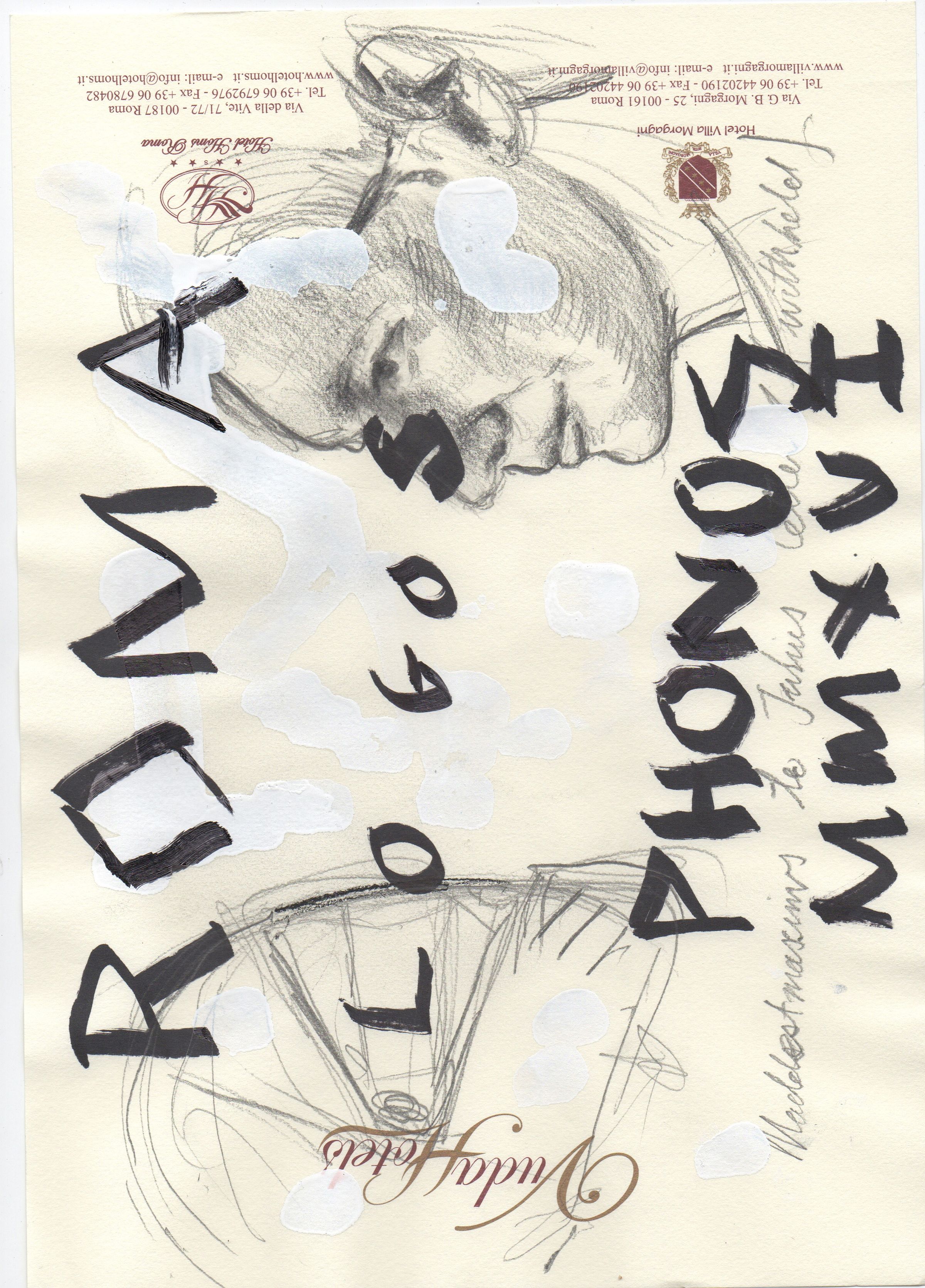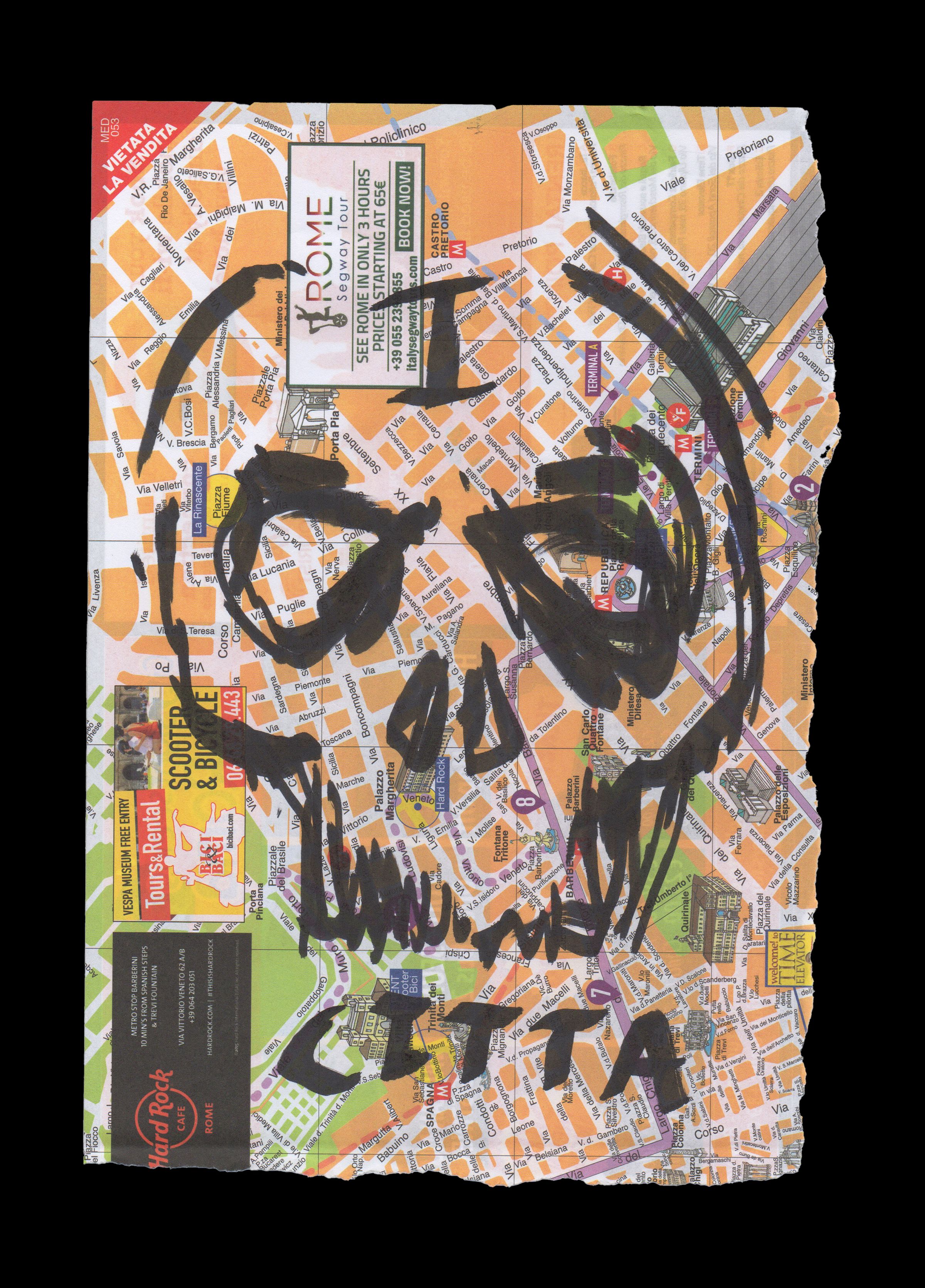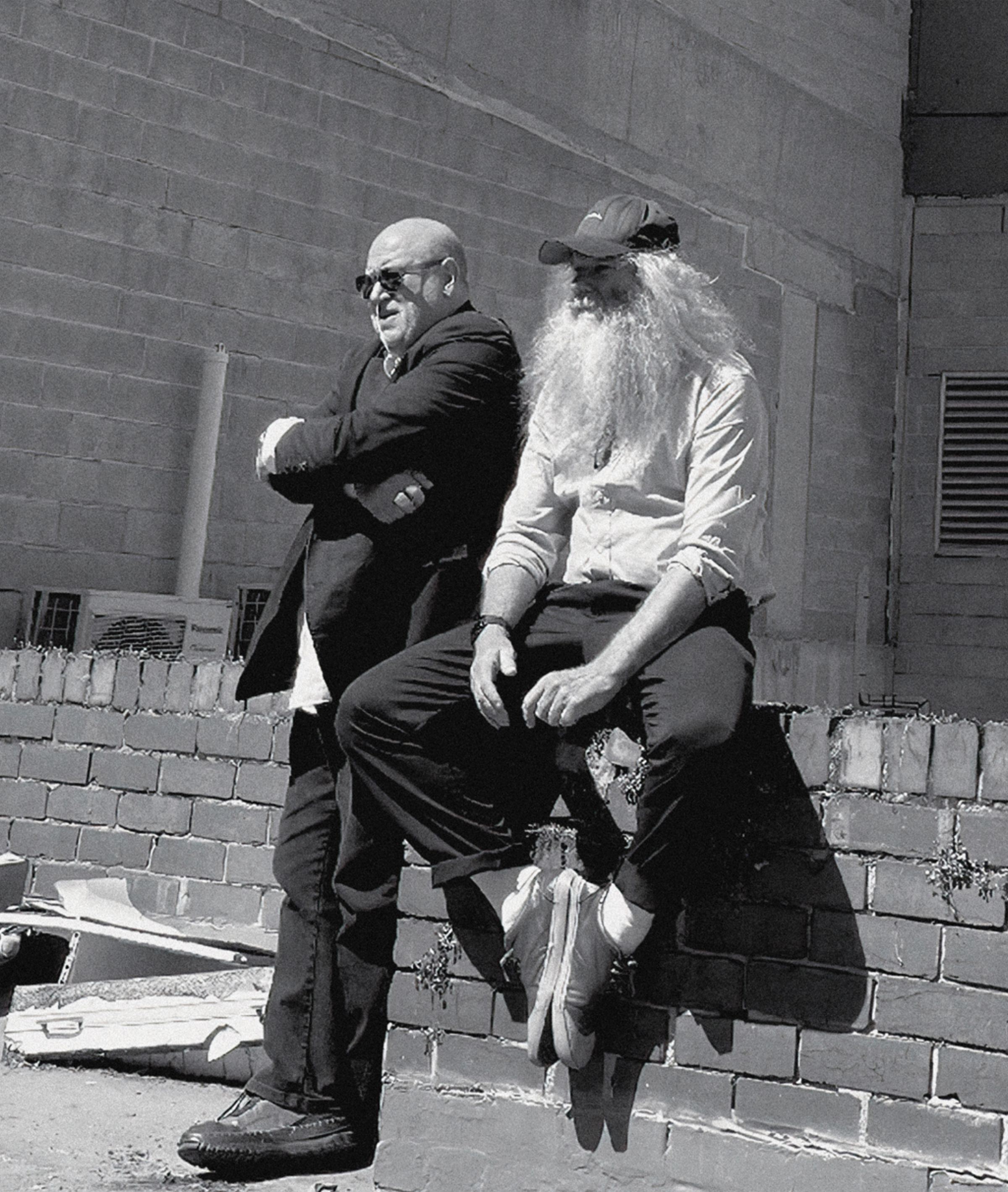
It was both fortuitous and fitting that I first met Rinaldo Di Stasio—widely regarded as Melbourne’s Medici—over a decade ago in the lavish surroundings of Palazzo Mora in Venice. We had been connected through a very dear friend, Tom Lowenstein, and quickly became close ourselves. I had already heard of Rinaldo through many artist colleagues, particularly for his deep support of entire artistic practices—not merely the collecting of individual works. This has certainly been true in my case, but Rinaldo has never simply been a commissioner. For several decades now, he has been a friend, creative confidant, interlocutor, researcher, and collaborator.
I’m reminded of the many times I would later meet Ronnie in Australia—first at Café Di Stasio in St Kilda, and later at Di Stasio Città and Di Stasio Carlton. We would talk for hours over exquisite food, wine, and atmosphere—a true cultural frisson. At the time of our first meetings, I was still based in London, though I would eventually call Melbourne home. After our conversations—filled with dreaming, speculation, and ideation—Rinaldo would often deliver me to the airport, handing me a lovingly prepared, foil-wrapped “after-school sandwich” that tasted, without exaggeration, like a mind-blowing experience every time.
Rinaldo has always demonstrated the highest sensitivity to, and reverence for, culture. In fact, he produces unique forms of culture through a synthesis of gastronomy, hospitality, and philosophy. This is the best of art, and I’m always grateful and excited to participate in this alchemical process—where the journey is the destination, and the destination is the journey, and so on, ad infinitum.
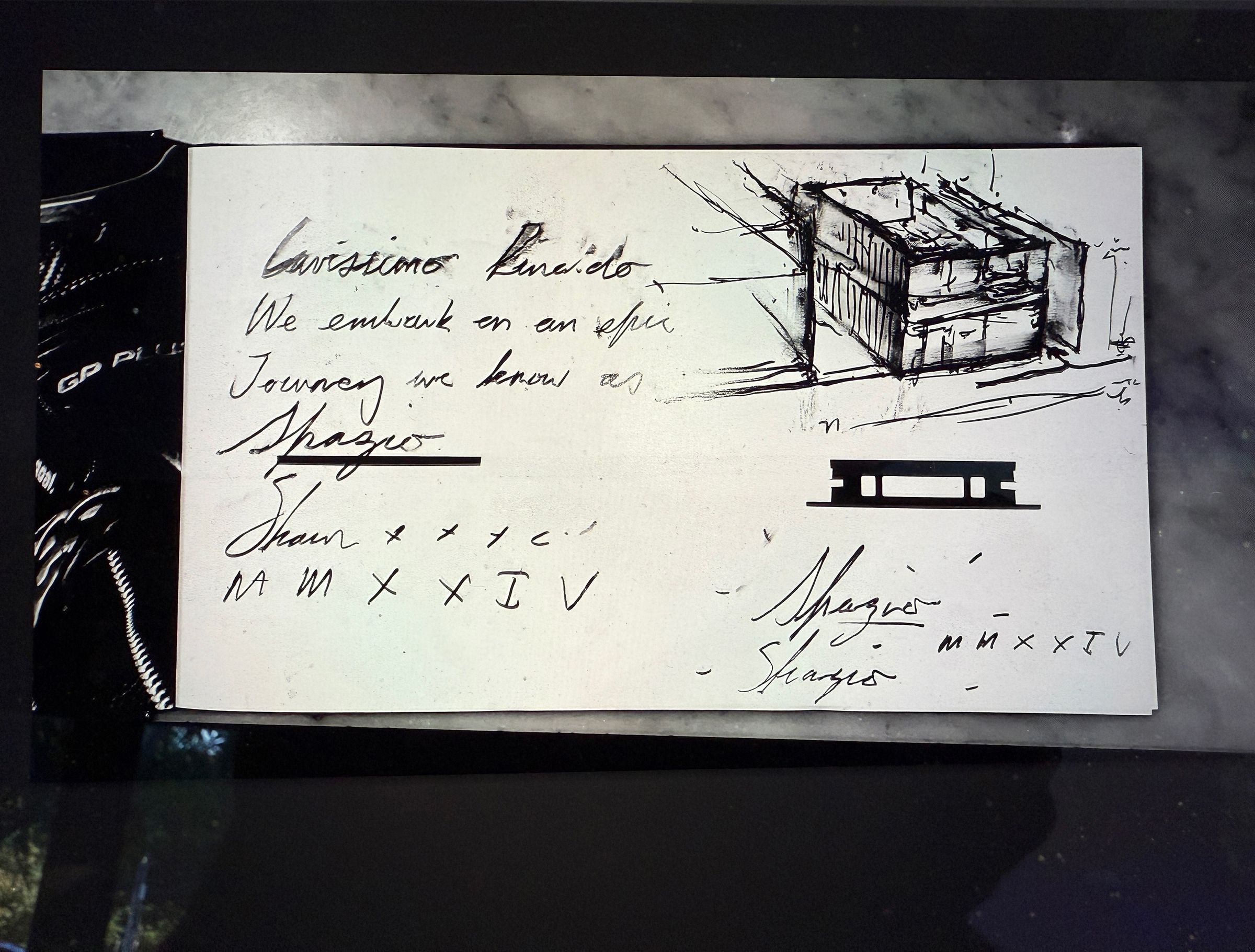
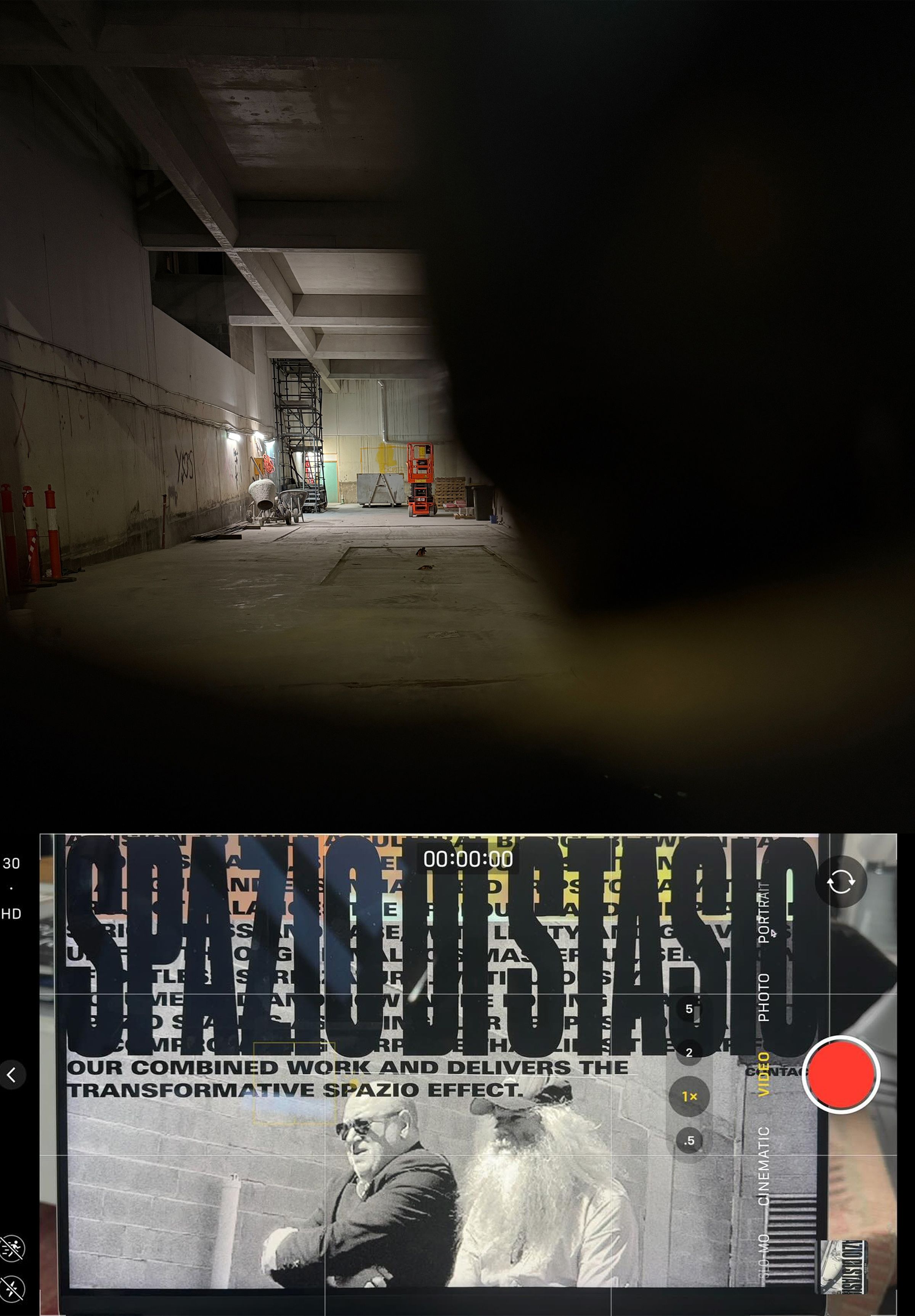
Some of my biggest and best moments have been shared with Rinaldo and Mallory—momentous dinners, long lunches, and entire evenings spent at the “houses of Di Stasio.” I call them institutions not because they are merely restaurants, but because they are laboratories of art and culture. Ronnie considers every detail, yet forces none of them—allowing all elements to coalesce organically and effortlessly, in an extended form of sprezzatura. I'm always reminded of Wagner’s concept of the Gesamtkunstwerk, or “total work of art,” in which music, drama, poetry, and visual art combine to create a single, cohesive, immersive experience. This is the space we call SPAZIO.
For all these reasons and more, Rinaldo’s institutions are fertile ground for creative and often provocative thinking. I have never met someone so grounded in the earthly and yet so attuned to the ethereal. Over the years, Ronnie has floated profound ideas—many of which eventually become reality, whether it’s an upgraded Australian Pavilion in Venice or yet another AFL premiership for Collingwood. He creates the optimal conditions for dreaming—a garden of earthly delights—always with a twist of the unexpected. After all these years, he has never stopped surprising me.
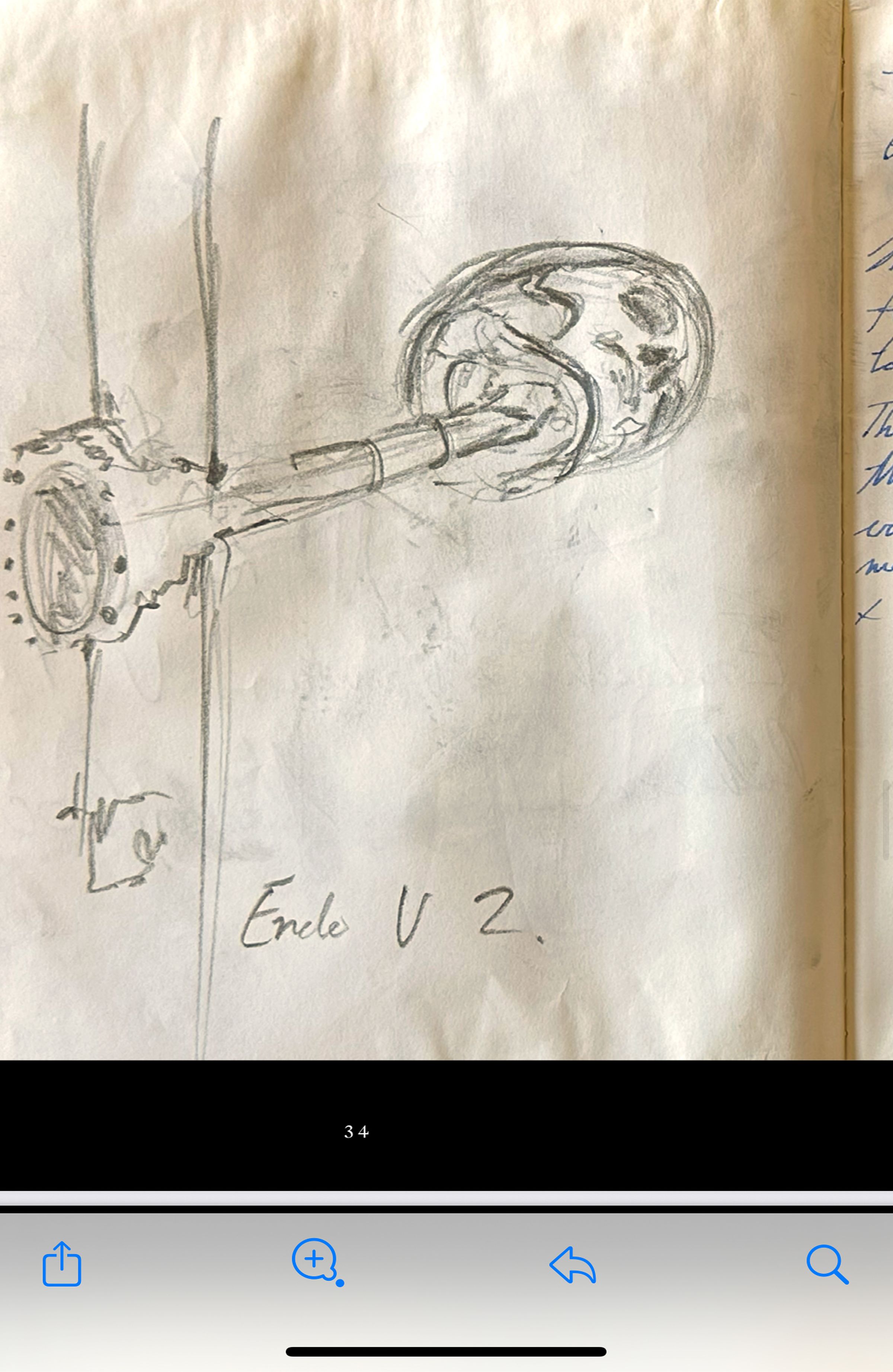
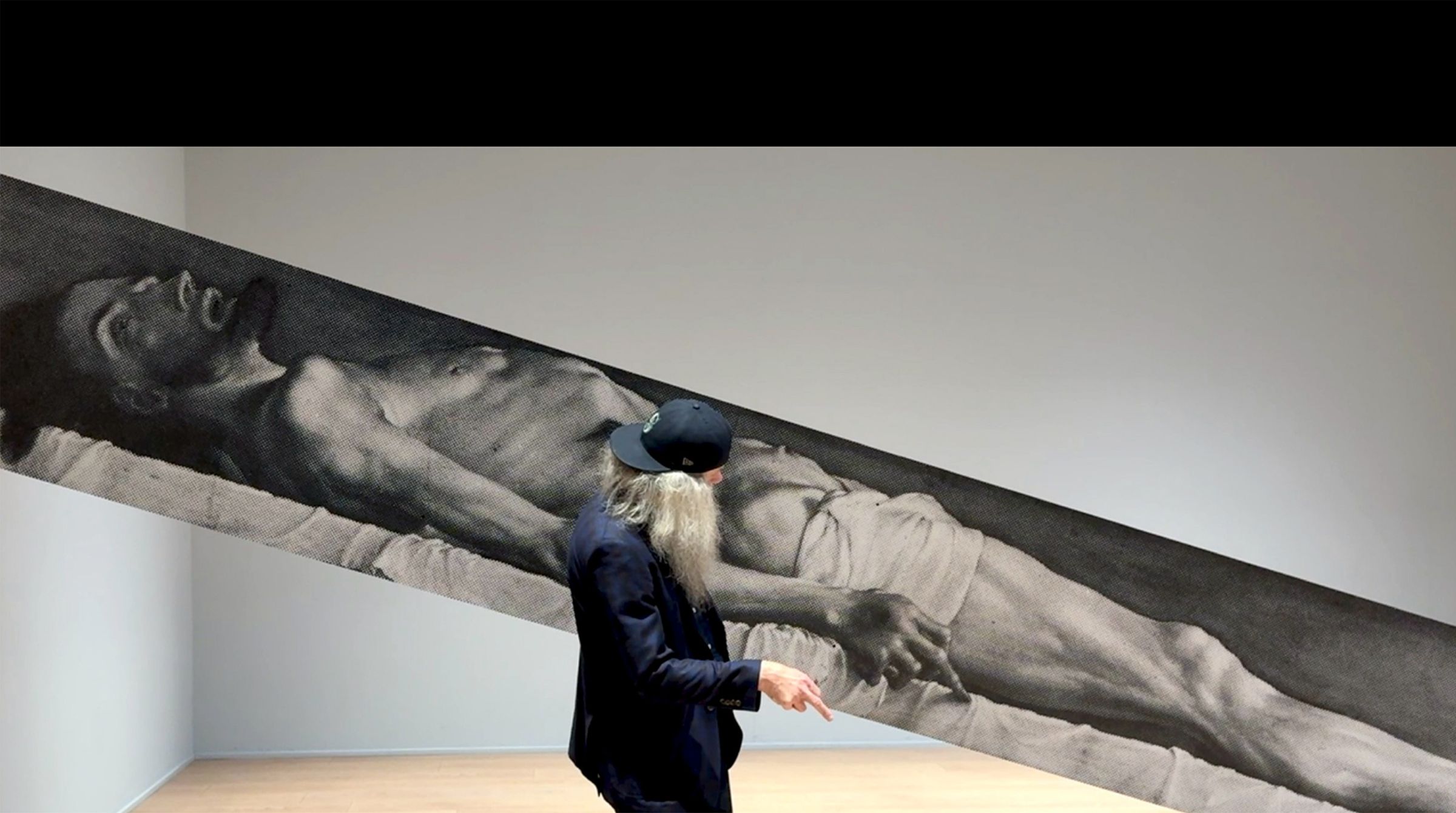
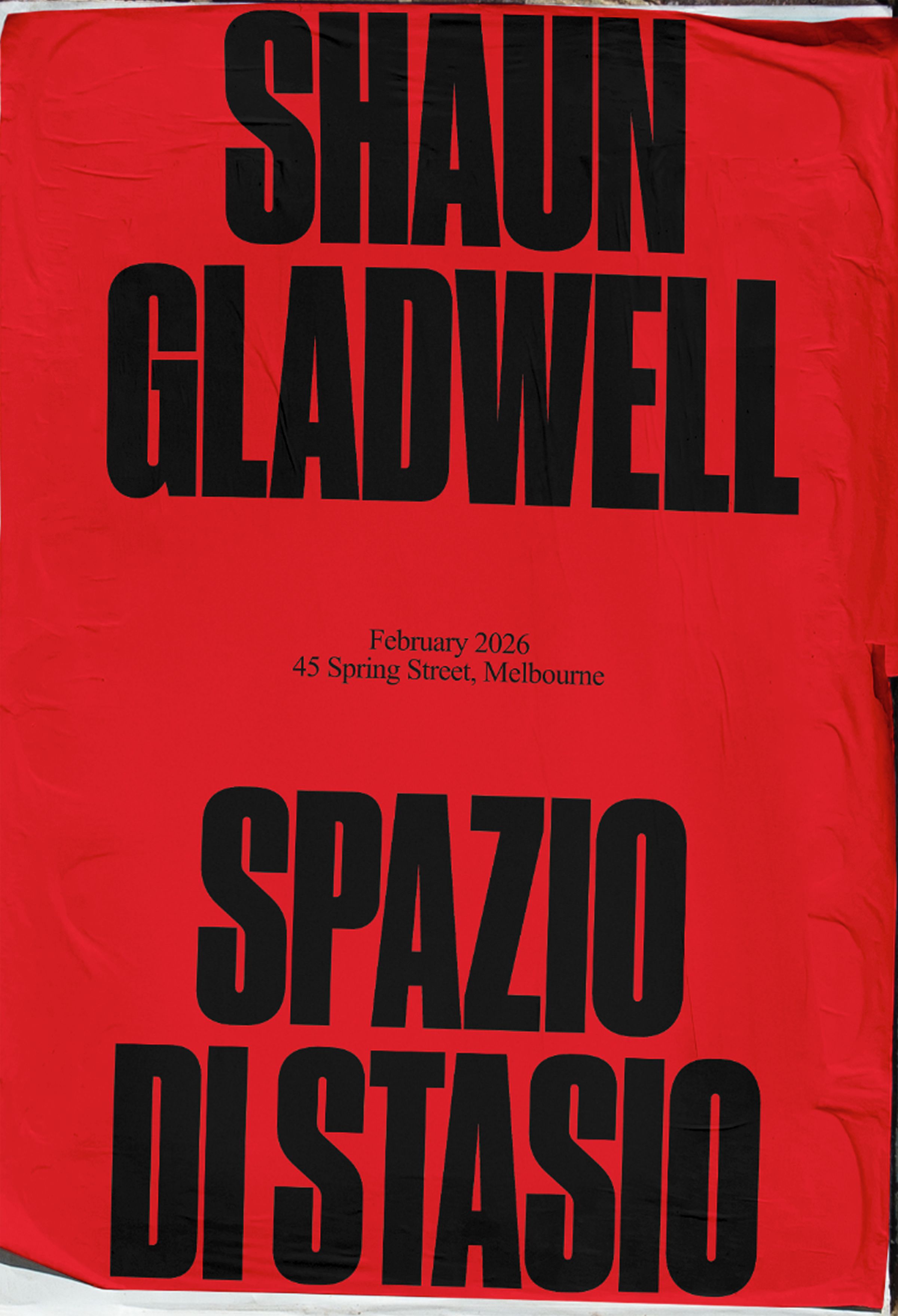
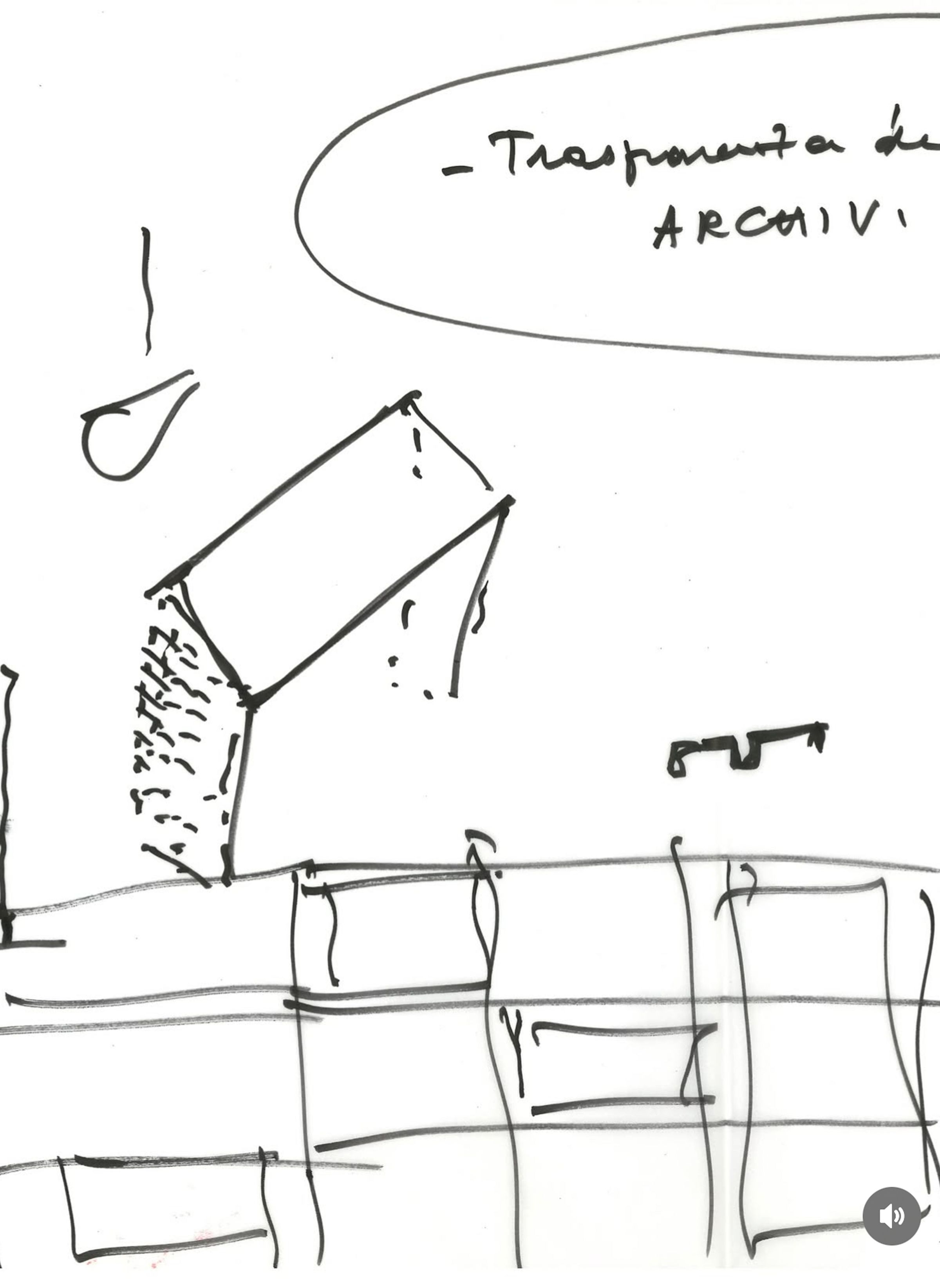
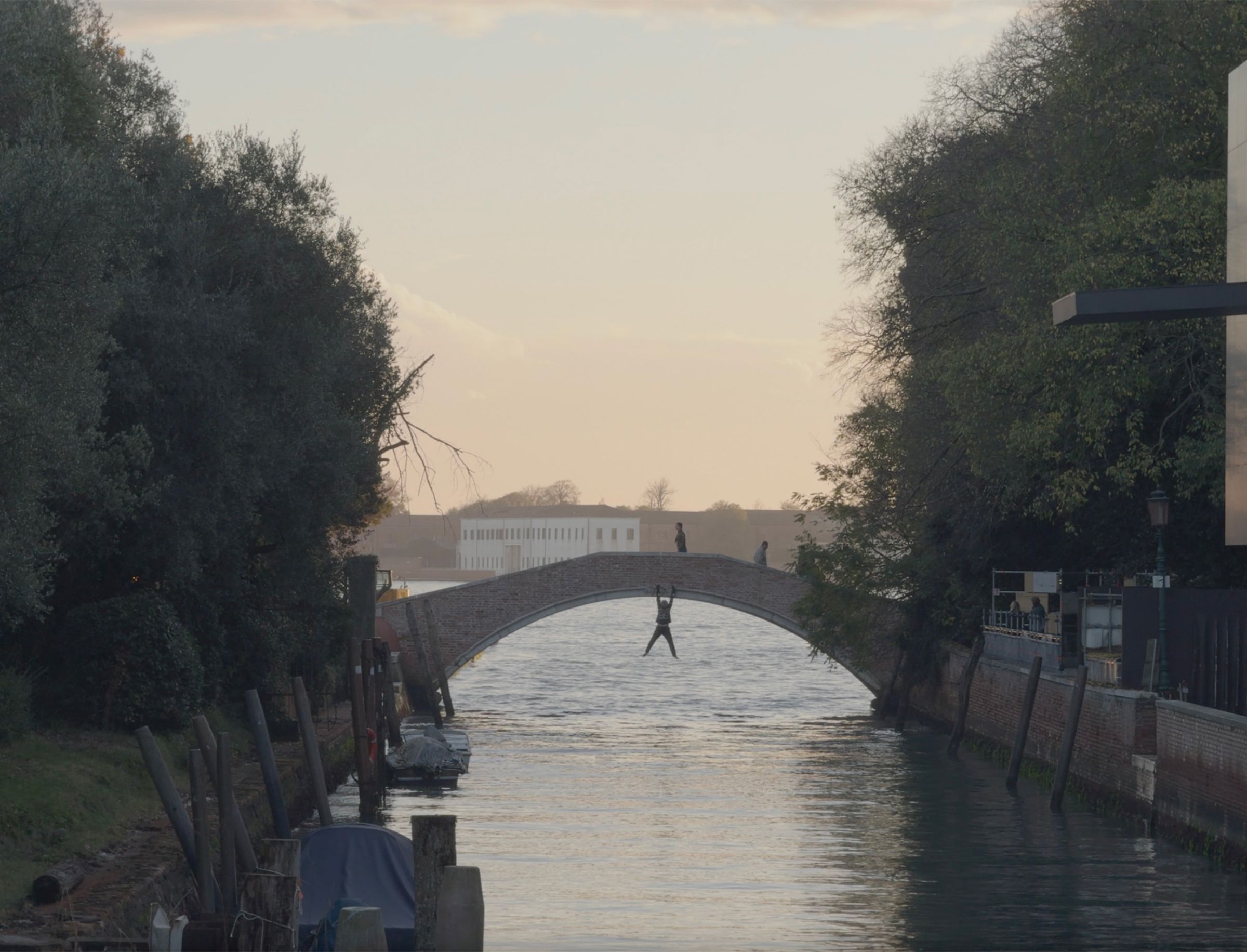
Now, Rinaldo and I embark on our most ambitious project to date: SPAZIO, a cultural bridge between Italy and Australia, grounded in Rinaldo’s concept of ITALIANALITY. This project will build a series of artistic bridges connecting mind to body, and heart to soul. It will engage the profound and the playful, the serious and the carefree—with both levity and gravitas—through a complete, immersive installation. In many ways, SPAZIO is a singular proposition, unlike anything seen before in Australia or elsewhere. Like all of Rinaldo’s endeavours, it will offer a complete and uncompromising surprise—one that may even shock. But that is precisely the SPAZIO effect.